
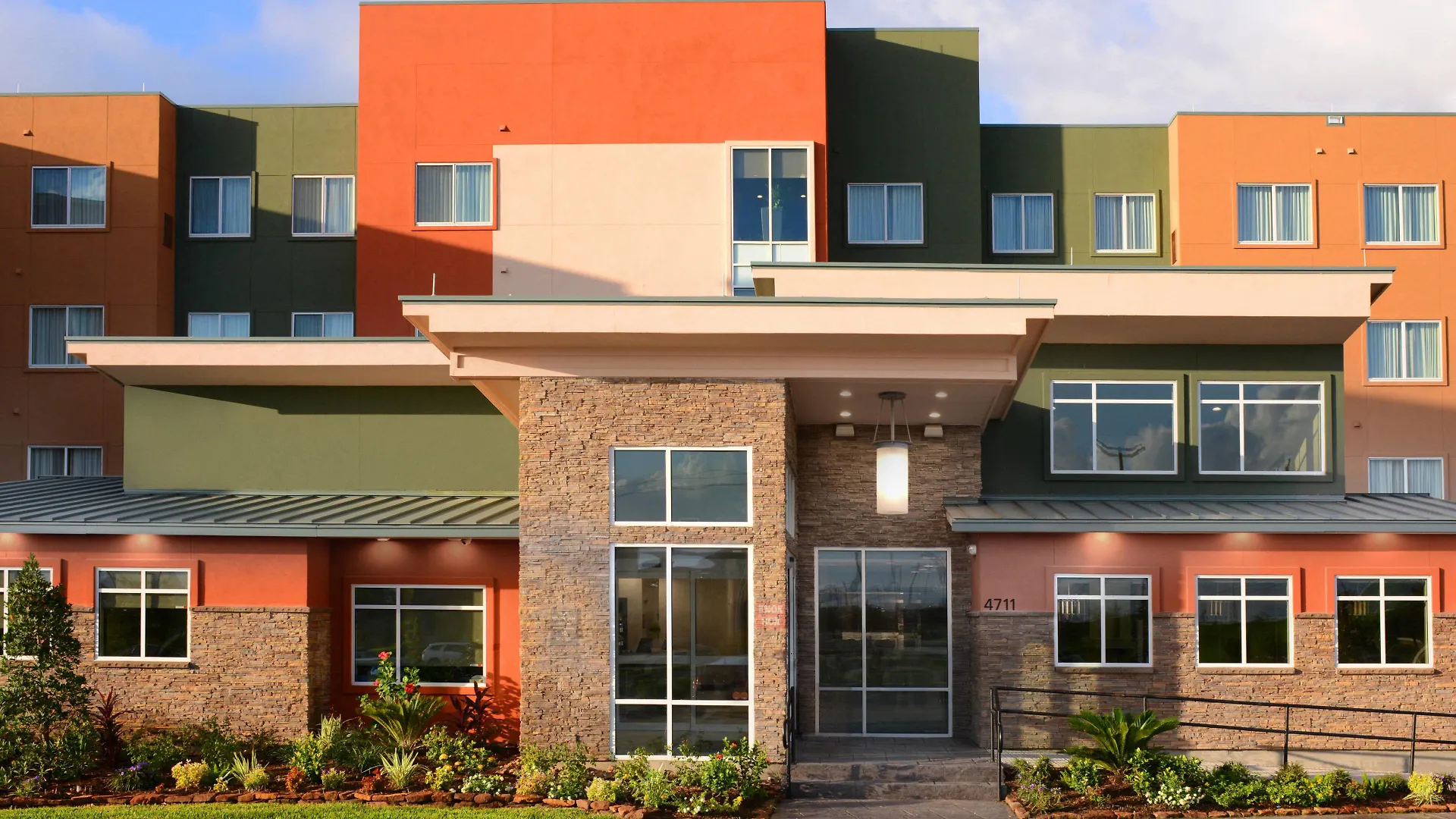
Texas is one of the most geographically diverse states in the U.S., and choosing the right Residence Inn location can make a significant difference in how smoothly your stay unfolds - whether you're here for business, a military visit, or an extended family trip. Residence Inn by Marriott is built for stays longer than a night or two, offering suite-style rooms with full kitchens that help travelers avoid the daily cost of eating out. This guide compares all 5 Residence Inn properties across Texas to help you pick the right one for your specific city, budget, and travel purpose.
What It's Like Staying in Texas
Texas is the second-largest U.S. state by area, and that scale defines the travel experience: distances between major cities like Dallas, Houston, Austin, and smaller hubs like Tyler or Killeen can exceed 300 miles, making car rental almost essential for any multi-city itinerary. The state's climate swings dramatically - summers in Central and East Texas regularly push above 100°F, while winters in North Texas can bring ice storms that disrupt transport. Texas lacks a statewide public transit network, so most visitors rely entirely on personal vehicles or rideshares to get between attractions, hotels, and airports.
Urban centers like Dallas and Houston are spread-out metros where the distance from your hotel to a key venue can easily exceed 20 minutes by car even without traffic. Crowd patterns vary sharply: Austin spikes during SXSW and Formula 1 weekend, while Killeen sees steady demand due to Fort Hood military activity. Extended-stay travelers - contractors, relocating families, military personnel - form a significant share of the Texas hotel market, which is precisely why suite-style brands like Residence Inn perform strongly here.
Pros:
- Massive variety of destinations within one state - from Gulf Coast beaches to Hill Country to urban metros
- Strong value compared to coastal U.S. cities, with hotel rates often around 30% lower than comparable properties in New York or Los Angeles
- Most Residence Inn properties offer free parking, a practical advantage in car-dependent Texas cities
Cons:
- No intercity rail network - traveling between Dallas, Houston, and Austin requires flying or driving
- Summer heat (June-September) makes outdoor sightseeing uncomfortable in much of the state
- Traffic congestion in Houston and Dallas can add significant time to any drive, especially during morning and evening rush hours
Why Choose a Residence Inn in Texas
Residence Inn by Marriott is engineered for extended stays, offering studio and multi-room suites with fully equipped kitchens - a genuine cost-saving feature in Texas, where dining out for every meal in a city like Dallas or Austin can run expensive quickly. Every Residence Inn in Texas reviewed here falls in the 3-star category, but the suite format typically provides significantly more functional space than a standard 3-star hotel room, making it a strong option for families, relocating employees, or anyone staying more than 3 nights. Free breakfast is included at all five properties, which meaningfully reduces daily travel spend.
Compared to standard limited-service hotels in the same price band, Residence Inn properties add fitness centers, outdoor or indoor pools, and business centers - all on-site. The trade-off is that Residence Inn locations in Texas tend to be positioned in suburban or mixed-use corridors rather than downtown cores, which can mean a 10-15 minute drive to central attractions. This suburban positioning directly translates to free parking at every property listed here, eliminating a cost that can reach $40 per night at downtown Dallas or Houston hotels.
Pros:
- Full kitchen in suites allows self-catering, reducing food costs on multi-night stays
- Free breakfast included at all five Texas Residence Inn properties
- Free parking at every location - a genuine financial advantage in Texas's car-dependent cities
Cons:
- Suburban locations mean most properties require a car to reach restaurants, attractions, or downtown areas
- Pool and amenity access can be seasonal at some properties (outdoor pools close during cooler months)
- The extended-stay format means the hotel atmosphere is functional rather than design-forward or boutique
Practical Booking & Area Strategy in Texas
Positioning matters enormously in Texas given the state's scale. Dallas and Houston are the two largest metro areas, and both have Residence Inn properties reviewed here - Dallas at The Canyon sits about 10 km from Dallas Love Field Airport, making it one of the most transport-efficient options for frequent flyers, while the Pasadena property near Houston places travelers 14 km from William P. Hobby Airport. For Austin-area visitors, the Round Rock location on Dell Way is strategically placed for tech industry travelers visiting Dell's campus, though Austin-Bergstrom International Airport is 35 km away, so factor in transit time. The Killeen property is the go-to choice for anyone with business at Fort Hood, located 19 km from the base, and Tyler serves as a useful base for East Texas with its regional airport just 18 km out.
Peak booking pressure hits Austin hardest - book at least 8 weeks ahead for SXSW (March) or the Formula 1 Grand Prix (October) when rates across the metro surge. Dallas sees elevated demand during State Fair of Texas (late September through October) and major conventions at the Kay Bailey Hutchison Convention Center. Houston demand spikes around rodeo season (February-March) and major sporting events at BBVA Stadium or Houston Toyota Center. For Killeen and Tyler, availability is generally more stable year-round, though Tyler's fall foliage season (October-November) draws regional visitors to the Piney Woods area. If you're visiting multiple Texas cities, consider positioning in Dallas or Houston first, as both offer the strongest onward connection infrastructure - Dallas/Fort Worth International Airport connects to virtually every major U.S. city.
Best Value Residence Inn Stays in Texas
These three Residence Inn properties deliver strong practical value across suburban Texas markets - Pasadena, Killeen, and Tyler - where free parking, included breakfast, and suite kitchens make extended stays genuinely cost-efficient without the premium of a metro-core location.
-
1. Residence Inn By Marriott Houston Pasadena
Show on map


 Check-infrom 15:00 until 23:59Check-outuntil 12:00
Just a few rooms left at the best rate!
fromUS$ 197
-
2. Residence Inn By Marriott Killeen
Show on map


 Check-infrom 15:00 until 23:59Check-outuntil 12:00
Just a few rooms left at the best rate!
fromUS$ 124
-
3. Residence Inn By Marriott Tyler
Show on map


 Check-infrom 15:00 until 23:59Check-outuntil 12:00
Hurry – almost gone at this price!
fromUS$ 133
Best Premium Residence Inn Stays in Texas
The Dallas and Austin Round Rock properties offer the strongest combination of metro connectivity, suite facilities, and proximity to major business and cultural destinations - making them the top picks for travelers who need efficient access to Texas's two most economically active urban corridors.
-
4. Residence Inn By Marriott Dallas At The Canyon
Show on map


 Check-infrom 15:00 until 23:59Check-outuntil 12:00
Hurry – almost gone at this price!
fromUS$ 329
-
5. Residence Inn By Marriott Austin Round Rock/Dell Way
Show on map


 Check-infrom 16:00 until 23:59Check-outuntil 12:00
Rooms filling fast – secure the best rate!
fromUS$ 159
Smart Travel & Timing Advice for Texas
The most cost-efficient window to stay at any of these five Residence Inn properties is between mid-January and late February, after the holiday travel surge and before spring break crowds drive rates up across the state. Austin is the most time-sensitive market: book at least 8 weeks ahead for March and October, when SXSW and the Formula 1 U.S. Grand Prix respectively push occupancy across the metro above 95%. Dallas and Houston see more distributed demand, but both cities spike around their major rodeo and state fair calendars.
For most Texas destinations, a minimum stay of 3 nights unlocks the full value of a Residence Inn - the kitchen, free breakfast, and free parking compound in savings over multiple nights in a way that makes a one-night stay comparatively less efficient than a standard hotel. Summer (June-August) brings the lowest leisure competition in most Texas metros outside of beach-adjacent areas, but the heat is a genuine logistical factor: outdoor activities are largely limited to early mornings. Fall (October-November) offers the best balance of manageable temperatures, active local events, and reasonable hotel pricing across Dallas, Houston, and the Hill Country - making it the overall recommended travel window for first-time Texas visitors.


